UN Women says at least 25 women and girls are killed every day as conflict-related sexual violence rises and female participation in peace negotiations remains extremely low.
Women and girls are bearing a growing share of the human cost of armed conflict, facing killings, sexual violence, displacement and disruptions to healthcare, while remaining significantly underrepresented in negotiations intended to end wars, the United Nations has warned.
In remarks delivered at the United Nations headquarters in New York on October 26, 2026, Nyaradzayi Gumbonzvanda, Deputy Executive Director of UN Women, highlighted the dangers confronting women and girls in conflict-affected regions and called for their meaningful participation in peace processes.
According to a report published by Afghanistan International on October 27, Gumbonzvanda said more than 750 million women and girls live within 50 kilometres of areas affected by active conflict. She also cited an estimate that at least 25 women and girls are killed every day.
The warning points to a central contradiction in international conflict resolution: women and girls face severe consequences of wars, yet women remain largely absent from the negotiations and political decisions that shape their futures.
Women remain underrepresented in peace negotiations
The imbalance extends beyond the immediate violence of war.
According to figures cited by Gumbonzvanda, women accounted for just 5% of negotiators across 57 peace processes in 2025. She also noted that none of the 13 ceasefire agreements referenced in her remarks explicitly prohibited conflict-related sexual violence.
The figures highlight the gap between international commitments to women’s participation and their representation in actual negotiations.
Women’s participation in peace processes is not simply a question of representation. Decisions made during negotiations can influence the protection of civilians, access to justice, the return of displaced families, the restoration of public services and the conditions under which communities rebuild after conflict.
When women are excluded from these discussions, their experiences and priorities risk receiving insufficient attention in agreements and reconstruction plans.
UN Women has repeatedly called for women to participate in peace and security processes as decision-makers, rather than being treated only as victims of conflict or recipients of humanitarian assistance.
Conflict-related sexual violence remains a serious concern
Gumbonzvanda also raised concerns about conflict-related sexual violence, citing 9,788 cases verified by the United Nations in 2025.
Such cases form part of a wider protection crisis affecting civilians in conflict zones. Survivors may face physical injuries, psychological trauma, stigma and difficulties obtaining medical care or legal support. Displacement and the destruction of local services can make it harder to access assistance or report abuses.
Verified cases should not be interpreted as the total number of incidents. Sexual violence is frequently underreported, particularly where survivors fear retaliation, lack access to confidential services or live in areas where institutions have collapsed.
Preventing such violence requires more than statements of condemnation. It also requires survivor-centred healthcare, protection services, accountability mechanisms and the effective implementation of international humanitarian and human rights law.
Gumbonzvanda urged the international community to increase funding for women’s organisations, which often play an important role in providing support, documenting abuses and advocating for the rights of affected communities.
War threatens women’s healthcare and maternity services
Armed conflict can also interrupt essential healthcare, with serious consequences for pregnant women, newborns and other patients requiring continuing medical treatment.
Hospitals and maternity facilities may be damaged or destroyed, while insecurity, shortages of supplies and the displacement of healthcare workers can make treatment difficult to obtain. Women may be forced to travel longer distances to reach functioning facilities or give birth without adequate medical support.
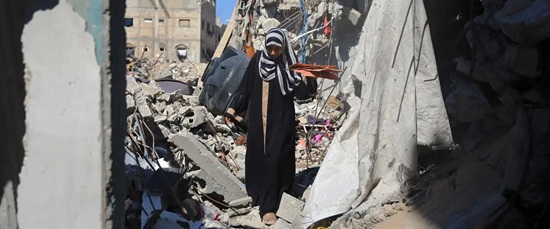
Referring to Gaza, Gumbonzvanda cited figures indicating a 41% decline in live births and a 300% increase in miscarriages amid the destruction of healthcare infrastructure and disruptions to basic necessities.
These figures were reported as part of her remarks and should be understood in the context of the specific population and period covered by the underlying data.
The broader concern is that the consequences of war extend well beyond direct injuries and deaths. Disrupted antenatal care, emergency obstetric services, access to medicines and routine treatment can expose women and girls to additional risks.
For displaced women, the loss of privacy, safe accommodation and reliable access to healthcare can further complicate pregnancy, childbirth and recovery.
Afghanistan highlights the wider crisis facing women’s rights
Gumbonzvanda also identified Afghanistan as facing one of the world’s most severe women’s rights crises, pointing to restrictions that have deprived women and girls of education, employment and participation in public life.
The situation illustrates how women’s rights can be restricted through both armed conflict and government-imposed policies. While the circumstances differ across countries, the consequences can overlap: reduced access to education, fewer economic opportunities, barriers to healthcare and limited participation in public decision-making.
For Afghan girls, exclusion from education threatens not only individual opportunities but also future access to professional employment and public life. Restrictions on women working can affect household incomes and the availability of essential services, including those delivered by female professionals.
The UN warning therefore places the protection of women’s rights within a wider discussion about security, governance and the ability of women to participate in shaping their societies.
What meaningful participation in peace processes requires
Increasing women’s participation requires more than inviting a small number of women to attend negotiations.
Women must have opportunities to influence decisions, participate in formal negotiating delegations and contribute to the implementation and monitoring of agreements. This includes women from affected communities, civil society organisations and groups working directly with survivors and displaced populations.
Funding is also important. Women’s organisations operating in conflict zones may provide essential services and maintain local networks, but their work can be undermined by insecure funding, threats to staff and restricted access to affected communities.
International institutions and governments face the challenge of translating commitments into practical measures: supporting women’s participation, protecting civic space, financing local organisations and ensuring that peace agreements address the safety and rights of civilians.
The UN warning adds urgency to those demands at a time when millions of women and girls live close to active conflict zones.
The central issue is not only how women can be protected from the consequences of war, but whether they have a meaningful role in decisions about how conflicts end and what follows.
For women and girls living through conflict, peace must mean more than the cessation of fighting. It must also include safety, access to essential services, protection from sexual violence and the ability to participate in rebuilding their communities.
Source: Afghanistan International, October 27, 2026, reporting on remarks by UN Women Deputy Executive Director Nyaradzayi Gumbonzvanda at the United Nations on October 26, 2026. The statistics in this article are attributed to the remarks as reported; the underlying datasets should be consulted for their precise definitions and reporting periods.