The Supreme Court is considering an independent panel to examine sexual violence allegations by women journalists covering protests in Delhi, raising questions about safety and accountability.
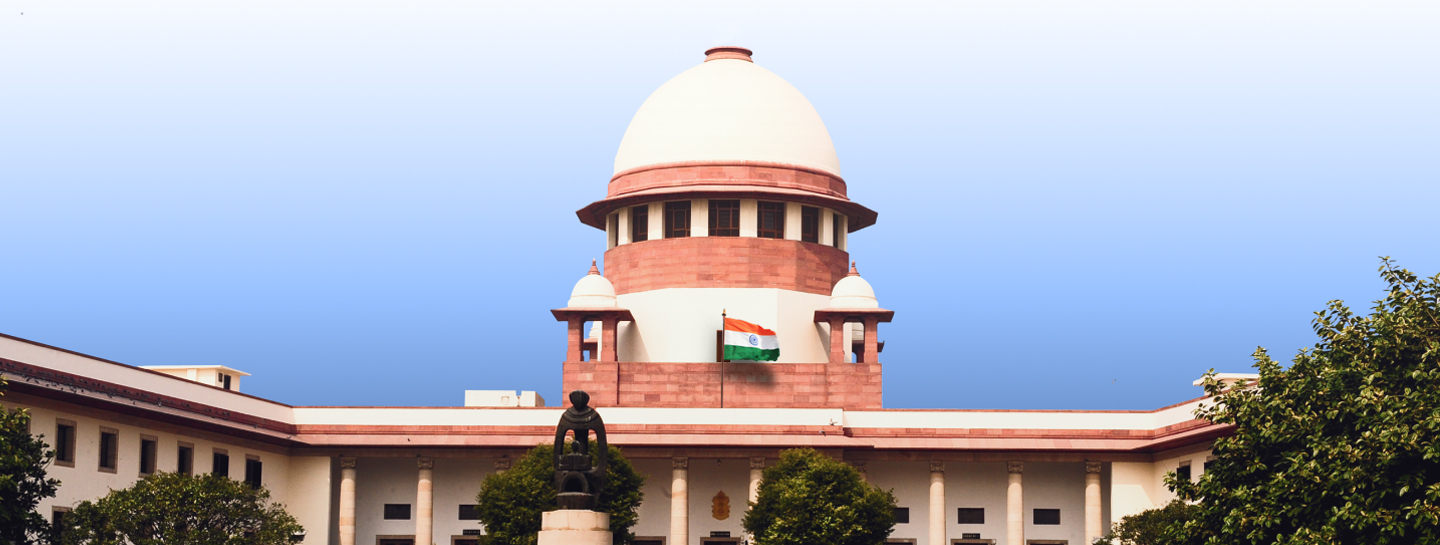
The Supreme Court is considering the formation of a predominantly or exclusively women-led committee to examine allegations of sexual violence against women journalists covering protests in Delhi, bringing renewed attention to the safety of women reporting from public demonstrations and the safeguards available to them when they face alleged harassment by those in authority.
On October 15, a bench headed by Chief Justice of India Surya Kant and Justice Joymalya Bagchi heard a petition filed by the Network of Women in Media, India (NWMI) and considered the proposal. The petition seeks an independent investigation into complaints raised by women journalists and stronger safeguards for media personnel covering protests.
The court indicated that the proposed committee could include a former woman judge, a former woman police officer and social workers or activists with a record of working on relevant issues. It also asked senior advocate Indira Jaising, representing the petitioners, to submit relevant material and names of potential committee members in sealed covers.
The proposal is under consideration; the court’s observations should not be interpreted as confirmation that the committee has already been formally constituted.
What prompted the legal intervention?
The proceedings follow complaints by women journalists who were covering protests in the national capital against the Special Intensive Revision (SIR) of electoral rolls and the Election Commission’s functioning.
Journalists have alleged that media personnel were manhandled, detained and prevented from carrying out their professional duties despite identifying themselves as members of the press. Separate allegations of sexual harassment involving police personnel have also been raised in connection with the protests.
The complaints have brought two concerns into focus: the ability of journalists to report on public demonstrations without interference and the need for an impartial process when allegations of misconduct involve the authorities responsible for maintaining law and order.
The NWMI has sought safeguards to prevent journalists, particularly women, from being subjected to alleged assault, intimidation, arbitrary detention or forcible removal while performing their professional duties.
The Supreme Court’s consideration of an independent inquiry comes amid wider questions about the treatment of journalists during crowd-control operations and the protection available to those documenting police action.
Woman journalist receives interim protection
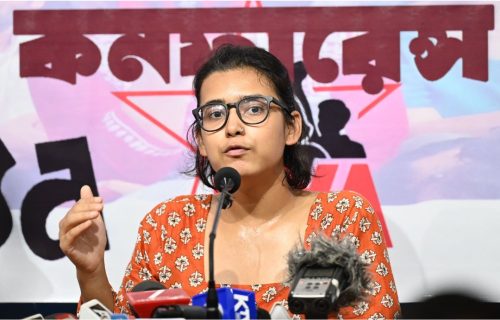
The proceedings also involve a separate case against a woman journalist who accused Delhi Police Assistant Commissioner of Police Vivek Bhagat of sexual harassment.
The police officer has filed a complaint alleging that the journalist and her colleagues publicly humiliated him, made casteist remarks and obstructed him while he was performing his official duties. A case was registered under provisions of the Bharatiya Nyaya Sanhita and the Scheduled Castes and Scheduled Tribes (Prevention of Atrocities) Act.
The journalist has disputed the allegations against her and argued that the case followed her complaint of sexual harassment.
On October 15, the Supreme Court directed that no coercive action be taken against her in the case while the matter is being considered. The order provides interim protection; it does not determine the truth of the competing allegations.
The court has also sought to examine complaints concerning the treatment of women journalists covering protests and the need for an independent mechanism to address such allegations.
Why an independent inquiry matters
When a journalist alleges misconduct by a police officer, the question extends beyond the circumstances of an individual incident. It also concerns whether the complaint can be investigated impartially and whether the person reporting the alleged misconduct can continue working without intimidation.
An independent inquiry could help establish the facts, examine the handling of complaints and identify whether existing safeguards were followed. Its effectiveness would depend on the committee’s mandate, independence, access to evidence and ability to recommend appropriate action.
The proposed women-led composition is also significant because the complaints concern alleged sexual violence and the particular vulnerabilities women journalists may face while reporting in crowded, confrontational environments.
However, the gender composition of an inquiry alone cannot guarantee accountability. A credible process would require fair consideration of evidence, protection against retaliation, confidentiality for complainants where appropriate and clear procedures for acting on substantiated findings.
The allegations must be investigated without prejudging the responsibility of any individual. Equally, complaints should not be dismissed simply because they arise during politically charged demonstrations.
The wider question of women’s safety in journalism
Women journalists often work in environments where they must negotiate physical safety, professional credibility and access to information simultaneously. Reporting from protests can involve close encounters with security personnel, crowd-control measures, detention operations and hostile participants.
When allegations of sexual harassment or intimidation arise in such circumstances, the consequences may extend beyond the immediate incident. Journalists may face uncertainty about returning to the field, documenting official conduct or pursuing complaints against people in positions of authority.
The case also raises questions about the practical implementation of workplace protections for journalists who work outside conventional office settings. Reporting at a protest site does not take place in the same environment as a newsroom, but the professional obligation to maintain safety and dignity remains.
Media organisations, journalist associations and public authorities all have roles in addressing these risks. Newsrooms can establish protocols for covering demonstrations, maintaining contact with field reporters and responding when staff members are detained or threatened. Journalist associations can help document complaints and provide access to legal support. Authorities must ensure that legitimate reporting is not obstructed and that allegations of misconduct are handled through impartial procedures.
These measures are particularly important for women journalists working independently or with limited organisational support, who may have fewer resources to pursue complaints or secure assistance after an incident.
From courtroom observations to meaningful safeguards
The Supreme Court’s consideration of a possible independent committee offers an opportunity to examine not only individual complaints but also the procedures governing journalists’ access to protest sites and their treatment during police operations.
The next steps will matter. The committee’s final composition, terms of reference and investigative powers, if formally established, will determine how effectively it can examine the allegations and recommend safeguards.
The proceedings also leave a broader question for the media industry and public institutions: what mechanisms ensure that a woman journalist can report an allegation of harassment without facing further intimidation or having her professional work disrupted?
For journalists, the ability to document public events is central to their work. For women journalists, that ability must not come at the cost of their safety or dignity.
The court’s intervention has brought these concerns into sharper focus. Whether it leads to lasting change will depend on the independence of the inquiry, the fairness of the process and the implementation of safeguards that protect journalists while ensuring accountability wherever misconduct is established.