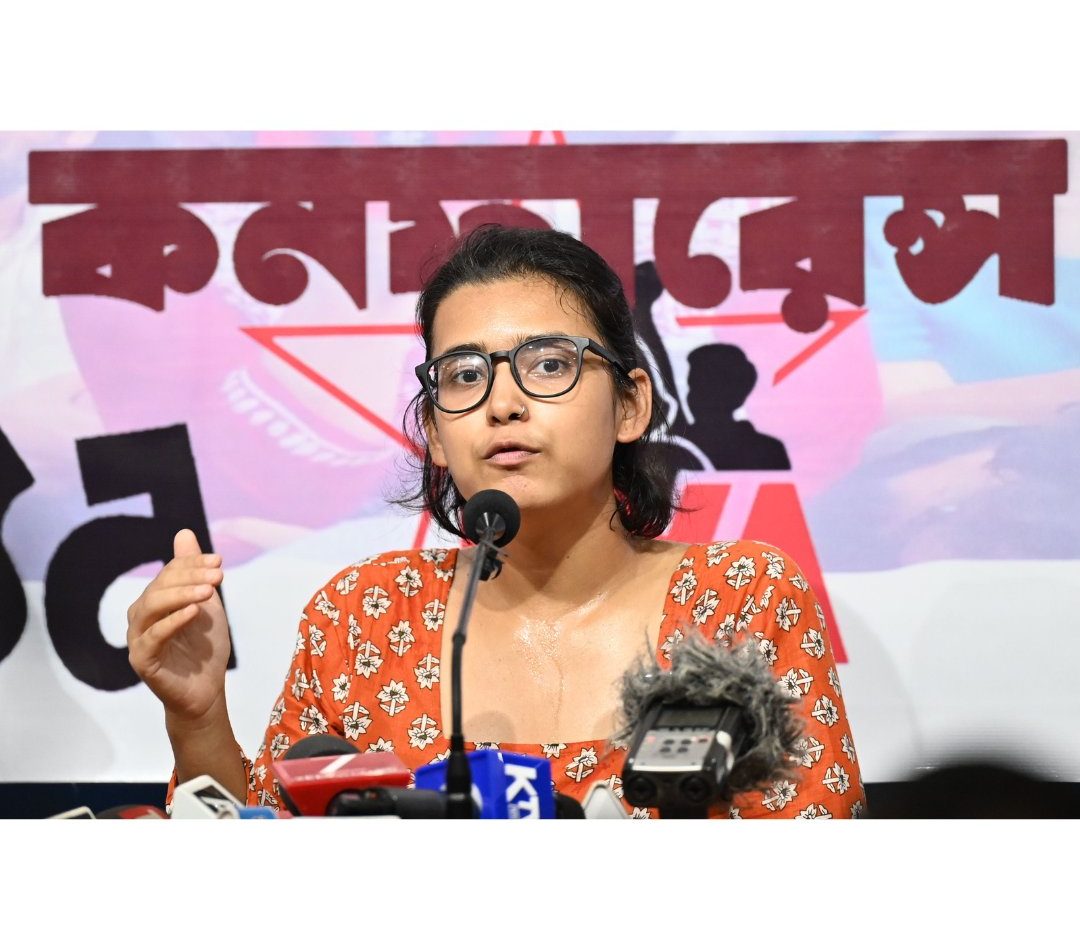
From theatre and doctoral research at JNU to a 23-day hunger strike and protests in Delhi, Neha Bora’s journey reflects the changing face of India’s student activism.
A doctoral researcher who studies theatre and performance is now finding herself at the centre of street protests, police detentions and a national debate over dissent. For Neha Bora, the journey from academic life to student politics has been shaped by a question that runs through both: who gets to speak, and who gets heard?
The 29-year-old national president of the All India Students’ Association (AISA) has emerged as one of the most visible young faces of India’s protest movement. In October 2026, videos of her confronting police barricades and attempting to lead demonstrators through central Delhi circulated widely on social media.
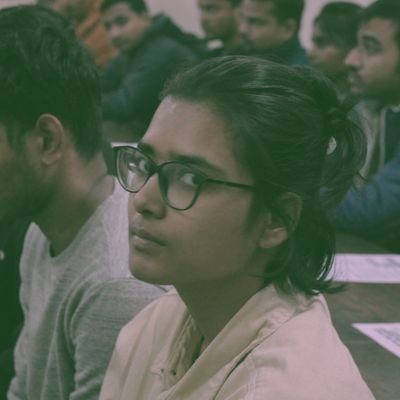
Her detention during protests demanding the resignation of Chief Election Commissioner Gyanesh Kumar brought further attention to a student leader whose activism had already taken her from a prolonged hunger strike to demonstrations over education and students’ rights.
Yet the viral footage tells only part of her story. Behind the protest slogans is a young woman whose political journey began well before she became a familiar face at demonstrations.
A childhood shaped by movement
Bora grew up in Khatima, Uttarakhand, in a family that moved between cities because of her father’s service in the Indian Army. The experience gave her an upbringing different from that of someone who spent their childhood in a single town, while her roots in the hills remained an important part of her identity.
Her educational journey took her to Hindu College at the University of Delhi, followed by Ambedkar University Delhi. She later joined Jawaharlal Nehru University (JNU), where she pursued doctoral research at the School of Arts and Aesthetics.
The academic path is significant. Bora was not simply a student who left university to enter politics. Her engagement with theatre and performance studies became part of the way she understood public life, political expression and collective action.
Theatre requires performers to inhabit perspectives beyond their own. It asks audiences to examine power, identity and the relationships between individuals and society. For Bora, this engagement offered a route towards understanding people and their experiences, even when their views differed from hers.
That interest would eventually intersect with a period of intense political mobilisation across India.
The protests that changed her direction
Bora has identified the protests against the Citizenship Amendment Act (CAA) in 2019–20 as an important turning point in her political awakening.
The movement brought students, activists and ordinary citizens into public spaces to debate citizenship, equality and the relationship between religion and the state. University campuses became sites of discussion and protest, while demonstrations drew people who had not necessarily considered themselves political activists before.
For Bora, the experience helped turn political questions from subjects of academic discussion into matters requiring public participation.
Her subsequent involvement in student movements placed her within a tradition of campus activism that has long played a role in India’s political life. Student organisations have historically raised questions about access to education, employment, discrimination, democratic rights and the responsibilities of public institutions.
As AISA’s national president, Bora now operates at the intersection of these concerns. Her role involves more than participating in demonstrations: it places her at the forefront of an organisation that seeks to mobilise students around political and educational issues.
Her emergence also comes at a time when public attention is increasingly shaped by short videos, online commentary and images captured during confrontations with the police. A protest can now reach audiences far beyond the street where it began, turning a relatively unfamiliar organiser into a nationally discussed figure within hours.
But visibility does not necessarily translate into political influence. The more difficult question is whether attention can sustain a movement beyond a particular moment.
Twenty-three days at Jantar Mantar
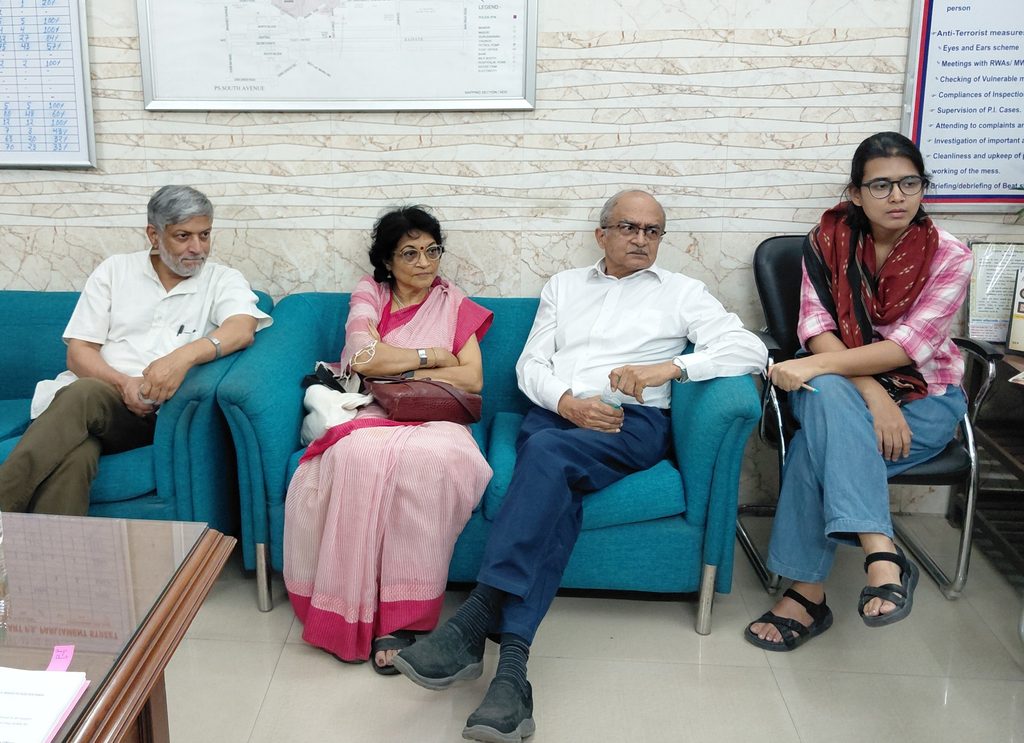
One of the most striking episodes in Bora’s recent activism was a 23-day hunger strike at Delhi’s Jantar Mantar in 2026. She joined fellow student activists and education reformer Sonam Wangchuk in a protest connected to demands for accountability over examination-related controversies.
Hunger strikes occupy a particular place in India’s protest history. They use the protester’s own body as a means of drawing attention to a demand, placing pressure on those in authority while making the personal cost of political action visible.
The method can attract public sympathy, but it also carries physical risks. A prolonged fast is not simply a dramatic gesture; it involves sustained deprivation and requires serious attention to the health of those taking part.
For Bora, the strike became a defining episode in a year that would bring further protests and repeated encounters with law enforcement.
It also placed her within a wider conversation about the frustrations of young people navigating competitive examinations, uncertain employment prospects and questions about institutional accountability.
For students, examination controversies are not abstract administrative disputes. They can affect years of preparation, family finances and decisions about future careers. When candidates believe that a process has been compromised, the consequences extend well beyond the examination hall.
The details of each allegation matter, and claims of wrongdoing must be assessed on the available evidence. But the anger surrounding such controversies also points to a larger issue: the importance of transparent processes and public confidence in institutions.
Bora’s participation in the hunger strike helped bring those concerns into the public spotlight.
From the protest site to the police bus
In October, Bora’s activism entered another phase as she joined demonstrations demanding the resignation of Chief Election Commissioner Gyanesh Kumar over alleged irregularities in the revision of electoral rolls.
The protesters questioned the Special Intensive Revision (SIR) process and raised concerns about the removal of names from voter lists. The Election Commission’s position and the evidence concerning the disputed claims are essential to assessing the controversy; the protesters’ allegations should not be treated as established findings.
For Bora and the other demonstrators, however, the demand for accountability became the basis for renewed mobilisation.
On October 10, Delhi witnessed a major police operation as authorities moved to prevent protesters from reaching the intended demonstration area. Bora was among those detained. The following day, she again attempted to mobilise supporters, with a gathering near RK Ashram Marg Metro station turning into a pursuit through central Delhi as protesters tried to move past police restrictions.
The episode captured the tension between public protest and restrictions imposed by law enforcement. Images of demonstrators running through the streets, police personnel following them and Bora’s subsequent detention spread online.
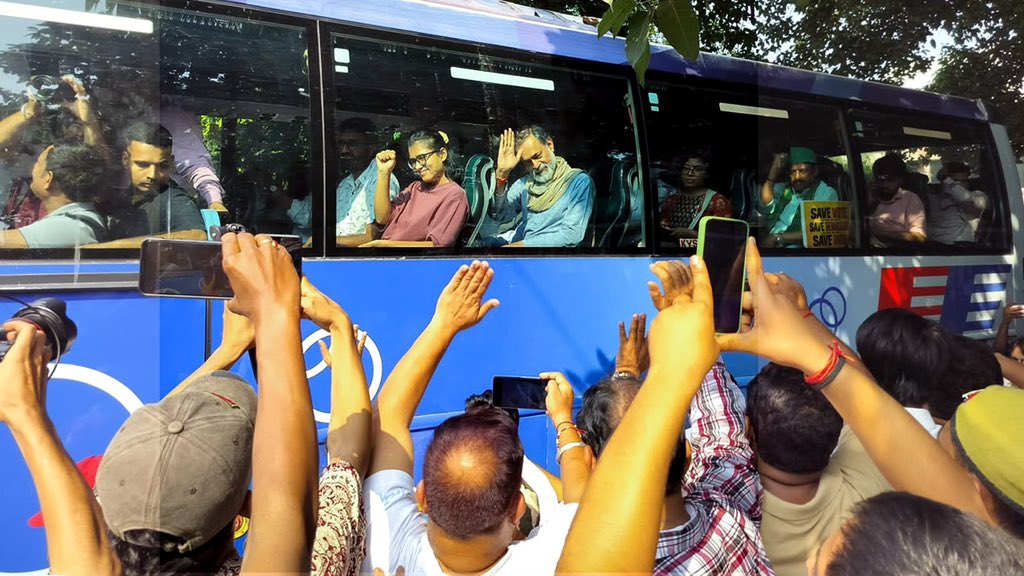
After her detention, Bora described the conditions inside the police bus in a social-media video and alleged that protesters had been mistreated. Those claims need to be distinguished from independently established facts, but they added to the controversy surrounding the handling of the demonstrations.
The confrontation also raised a question larger than any one activist: how should authorities manage protests when demonstrators seek to challenge decisions made by powerful public institutions?
The right to peaceful assembly is an important democratic freedom. At the same time, specific allegations about police conduct, the legality of restrictions and the behaviour of demonstrators require careful scrutiny rather than conclusions drawn from viral footage alone.
For Bora, the detentions have become part of a growing public profile built around her willingness to return to the streets after being stopped.
A political disagreement closer to home
There is another dimension to Bora’s story that rarely fits neatly into protest footage: her political differences with her family.
In an interview with Frontline, she described her family as strong supporters of the Bharatiya Janata Party (BJP) and spoke about significant political disagreements at home.
The detail is revealing not because political differences within families are unusual, but because it complicates the assumption that political beliefs are simply inherited. People who grow up in the same household can arrive at very different conclusions about the state, public institutions and the direction of the country.
For a young activist, such differences can make political engagement personal. Public arguments about policy and ideology may continue in private conversations with people whose affection and approval matter.
Bora’s experience illustrates how political identity can develop through questioning and disagreement rather than through straightforward continuity with one’s family.
It also serves as a reminder that a person’s political outlook cannot be fully understood through the organisation they represent or the slogans they raise. The influences behind that outlook are often more complicated than public labels suggest.
Beyond the label of a protest leader
Bora’s rise has prompted descriptions ranging from a fearless student leader to a polarising political activist. Such labels can generate attention, but they can also flatten a person into a single role.
Her association with AISA places her within a particular political tradition. Her activism is not detached from ideology, and her public positions should be examined critically, just as those of any other political figure should be. Equally, her participation in protests should not automatically be treated as evidence that every claim made by the movements she joins is correct.
The more useful approach is to look at the issues she raises, the evidence supporting them, the responses from institutions and the consequences of the methods she chooses.
Her academic background in theatre and performance studies offers an additional lens through which to understand her public presence. Protest, like theatre, involves an audience, a physical space, gestures, language and the communication of conflict. But political action also has consequences beyond the performance itself. It must ultimately be judged by the substance of its demands and the impact it has.
That distinction matters in an age when a few seconds of video can become the dominant account of a complex event.
Bora’s growing visibility may bring opportunities to reach new audiences, but it also invites closer scrutiny of her politics, her claims and the organisation she leads.
What does her rise say about young India?
Neha Bora’s journey is part of a broader story about young people seeking ways to participate in public life. For some, that participation takes place through elections, professional organisations or community work. For others, it begins with student groups, public demonstrations and campaigns around specific grievances.
Protest remains one way to demand answers when people believe that established channels have failed them. Yet the effectiveness of any movement depends on more than the willingness of its leaders to confront authority. It also depends on credible evidence, clear demands, public engagement and the ability to sustain attention after the cameras leave.
For young women who enter visible political spaces, the scrutiny can be particularly personal. Their appearance, manner of speaking and behaviour may become subjects of public commentary alongside the issues they raise. That scrutiny can obscure the substance of their arguments and turn political participation into a debate about personality.
Bora’s story deserves to be considered without either romanticising confrontation or dismissing activism as spectacle.
She is a doctoral researcher, an organiser and a political leader whose profile has grown through a series of high-profile protests. Whether that visibility develops into lasting influence will depend on what follows the viral moments: the arguments she advances, the people she mobilises and the changes her campaigns help bring about.
For now, her journey from theatre to the streets raises a question that extends beyond one student leader or one political movement. In a democracy, what happens when young citizens decide that watching public life is no longer enough, and that they must enter the argument themselves?
Photo Source: Neha Bora’s X account