The ICC has made public arrest warrants against four senior Taliban leaders over alleged gender persecution of women and girls in Afghanistan.
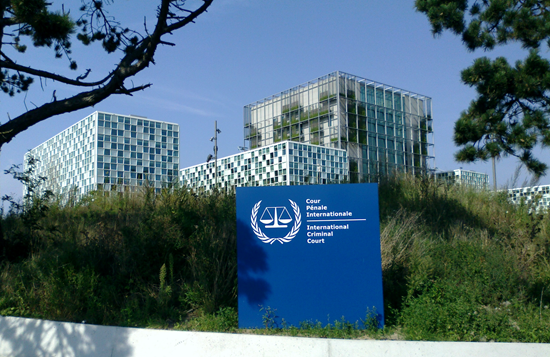
The Hague, October 7, 2026: The International Criminal Court (ICC) has made public arrest warrants against four senior Taliban leaders over alleged crimes against humanity involving the persecution of women, girls and other people who do not conform to the Taliban’s gender policies.
The warrants concern Taliban Supreme Leader Haibatullah Akhundzada, Chief Justice Abdul Hakim Haqqani, Acting Education Minister Habibullah Agha and Acting Higher Education Minister Neda Mohammad Nadim.
The ICC’s Pre-Trial Chamber II said there are reasonable grounds to believe that the four are responsible for ordering, inducing or soliciting the crime against humanity of persecution on gender grounds against girls, women and other people perceived as not conforming with the Taliban’s policies on gender, gender identity or expression.
The chamber also said people perceived as “allies of girls and women” were allegedly targeted on political grounds.
Warrants were issued earlier
The development does not mean the ICC issued the warrants this week.
The warrants against Akhundzada and Haqqani were issued on July 8, 2025, while those against Agha and Nadim were issued on September 9, 2025.
The existence of the first two warrants had already been made public in July 2025, but the details of all four warrants were kept under seal. The court formally made the warrants public on October 5, 2026.
What does the ICC allege?
According to the court, Taliban authorities implemented policies that severely deprived women and girls of fundamental rights and freedoms after the Taliban returned to power in Afghanistan in August 2021.
The restrictions cited by the ICC include deprivation of the rights to education, privacy and family life, as well as freedoms of movement, expression, thought, conscience and religion.
The chamber said the alleged persecution was connected with conduct including murder, imprisonment, torture, rape and enforced disappearance.
The alleged crimes are said to have taken place in Afghanistan from August 15, 2021, until at least January 20, 2025.
The court also said gender persecution can involve more than direct physical violence, finding that systematic and institutionalised forms of harm, including discriminatory rules and social restrictions, can form part of such persecution.
Women and girls at the centre of the case
The ICC’s Office of the Prosecutor said the warrants highlight the severe deprivation of the rights of Afghan women and girls, particularly their right to education.
The prosecutor’s office said the case also recognises the experiences of people targeted because their gender identity or expression does not conform to Taliban policies, as well as people perceived as supporting girls and women.
Taliban rejects ICC authority
The Taliban has rejected the ICC’s jurisdiction and the allegations against its leaders.
Taliban spokesperson Zabihullah Mujahid said Afghanistan does not recognise the court or its decisions, according to Reuters.
Warrants do not mean immediate arrests
The four men remain at large, according to the ICC.
The court does not have its own police force to carry out arrests. Enforcement therefore depends on cooperation from states that can locate and arrest suspects subject to ICC warrants.
The development nevertheless puts the treatment of Afghan women and girls at the centre of an international criminal case against senior Taliban officials.
The ICC’s Afghanistan investigation remains active.