Haryana plans new Anganwadi buildings, free sanitary pads and higher support for children in care
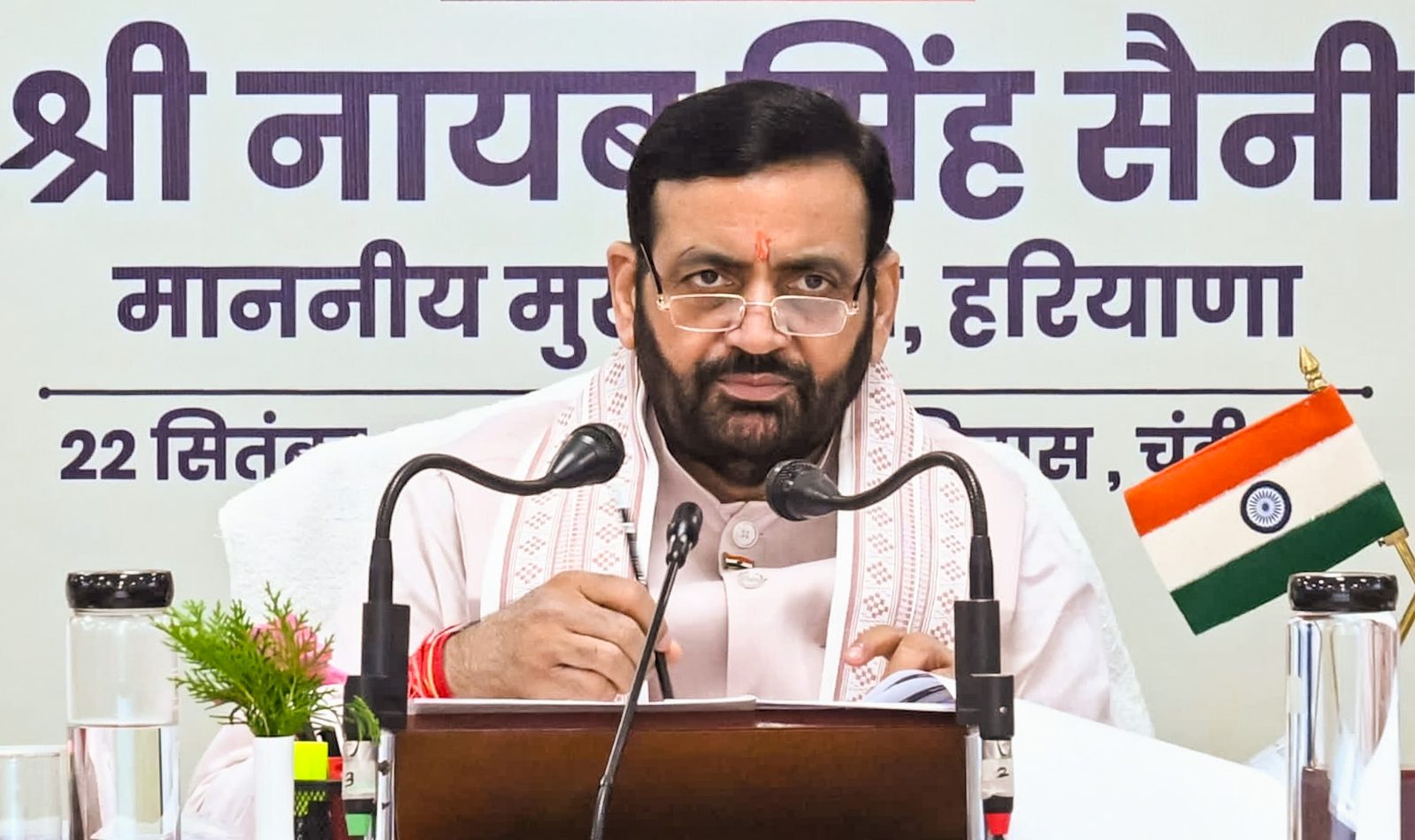
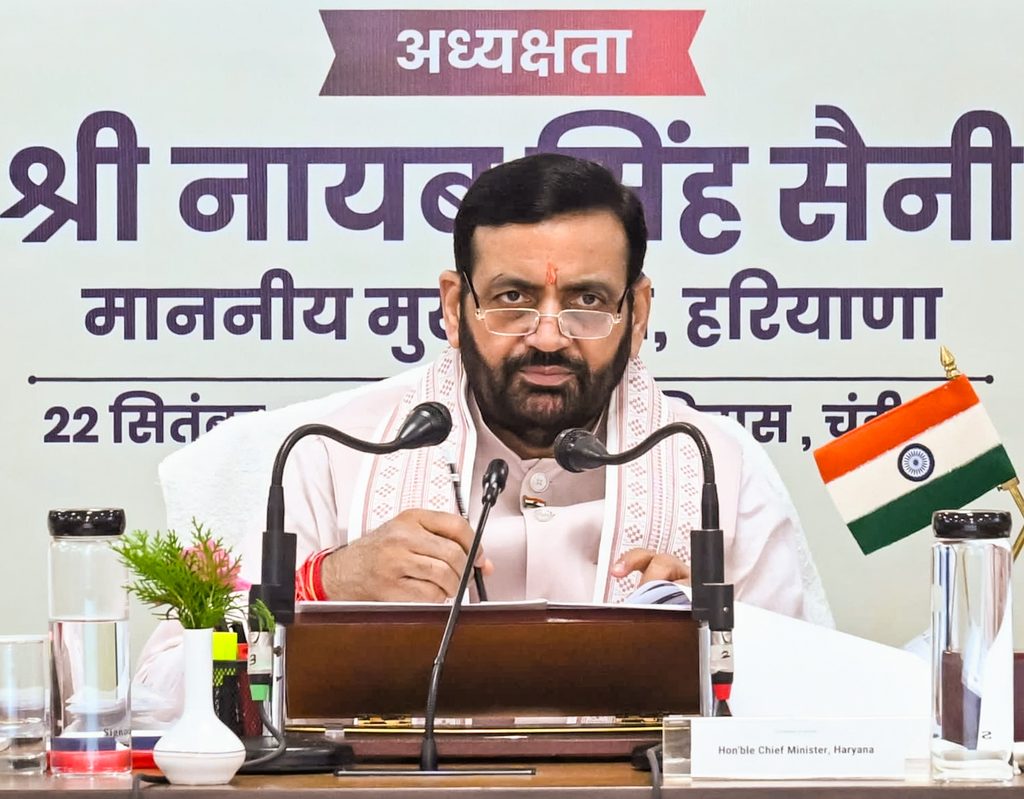
Chandigarh, September 25, 2026: Haryana has announced a set of measures focused on women, adolescent girls and children in institutional care, including shifting Anganwadi centres from rented premises to dedicated buildings, strengthening access to sanitary products and increasing financial assistance for victims of sexual offences.
The measures were reviewed at a meeting chaired by Chief Minister Nayab Singh Saini with officials of the Women and Child Development Department in Chandigarh on Friday.
One of the key directions was to prioritise construction of buildings for Anganwadi centres currently operating from rented premises. Officials have been asked to identify suitable government land, vacant land within school campuses and other appropriate sites for the centres.
The move comes as Haryana prepares to hold its ‘Aangan Milan Seva’ programme from September 25 to October 7 across its 25,962 operational Anganwadi centres.
Free sanitary pads for eligible women and girls
The government has also directed that quality sanitary pads be provided free of cost to eligible women and adolescent girls under the Mahila Evam Kishori Samman Yojana.
Officials have been asked to maintain proper beneficiary records, including names and phone numbers, and ensure that distribution is monitored. The government has also directed that sanitary products be made available through designated centres, including Jan Aushadhi Kendras and schools, and that dispensing machines be installed where required.
Haryana’s scheme already provides free sanitary napkins to eligible women and adolescent girls from BPL families. A state document says beneficiaries in the 10–45 age group are covered under the scheme, with each beneficiary receiving three packets of eight napkins every quarter.
For Zenana’s readers, the significance of the announcement lies not only in the provision of sanitary products but also in whether access reaches women and girls consistently, particularly those who face financial or geographical barriers to menstrual-health products.
More support proposed for children in institutional care
The review also focused on children living in Child Care Institutions under Mission Vatsalya, the national child-protection programme covering children in need of care and protection and children in conflict with law.
Saini directed officials to improve the condition of Children’s Homes, conduct regular inspections and ensure access to education, healthcare, safety and other essential services.
He also directed that the Juvenile Justice Fund be increased to ₹10 crore. The government said financial assistance to victims of sexual offences and offences under the Protection of Children from Sexual Offences (POCSO) Act would be increased from ₹20,000 to ₹50,000 for immediate social and financial support.
The government has also proposed installing solar panels at Children’s Homes and improving their buildings and maintenance.
Haryana’s Women and Child Development Department currently operates Mission Vatsalya services through Child Care Institutions and district-level child-protection structures. The department’s website lists 69 Child Care Institutions in the state, including Children’s Homes, Observation Homes, Special Homes, Places of Safety, Open Shelters and specialised adoption agencies.
Education remains a focus for children in care
The Chief Minister also directed officials to pay particular attention to the education of children living in Child Care Institutions. The directions include improving academic support, providing assistance to children with disabilities and making arrangements for children who wish to attend private schools.
The broader challenge will be implementation: whether dedicated Anganwadi buildings are created where they are needed, whether menstrual-health products reach all eligible beneficiaries regularly, and whether children in institutional care receive the educational and protection services envisaged under the schemes.
Mission Vatsalya itself is designed to provide institutional and non-institutional care, protection, rehabilitation and reintegration services to vulnerable children, with the principle that institutionalisation should be used as a measure of last resort.